





You’ve just received your electricity bill from Kenya Power, and it’s higher than last month. Again. If this sounds familiar, you’re not alone — thousands of Kenyan households and businesses are making the switch to solar, and the biggest question they face is: which type of solar panel should I buy?
At Nyandwi Solar and Electronics Systems, we’ve been helping Kenyans choose the right solar solutions since 2012. In this guide, we break down the three most common solar panel types available in Kenya so you can make a confident, informed decision.
Understanding the Three Main Types of Solar Panels
1. Monocrystalline Solar Panels — The High Performer
Monocrystalline panels are made from a single, continuous crystal structure. They’re recognizable by their uniform dark black appearance and rounded cell corners.
Why Kenyans love them:
- Highest efficiency — typically 20–22%, meaning more electricity from a smaller roof area
- Perform better in low-light conditions (useful during Nairobi’s cloudy season)
- Longer lifespan — most come with 25-year output guarantees
- Aesthetically clean for residential rooftops
Best for: Homes with limited roof space, businesses looking for maximum output, and clients who want a premium long-term investment.
Typical brands we stock: Jinko Solar, Longi, Canadian Solar (monocrystalline range)
2. Polycrystalline Solar Panels — The Budget-Friendly Option
Polycrystalline panels are made from multiple silicon crystal fragments melted together. They have a distinctive blue, speckled look.
Why they’re popular in Kenya:
- Lower upfront cost — more accessible for budget-conscious buyers
- Reliable performance for standard applications
- Good for large commercial installations where roof space is not a constraint
Best for: Rural installations, agricultural water pumping, schools, and community projects where initial cost matters most.
3. Bifacial Solar Panels — The Modern Game-Changer
Bifacial panels generate electricity from both sides — the front absorbs direct sunlight while the back captures reflected light from the ground or mounting surface.
Why they’re gaining traction in Kenya:
- Up to 30% more energy production than traditional mono panels, especially in Kenya’s bright sunshine
- Ideal for ground-mounted systems, carports, and elevated structures
- Premium product — higher cost but excellent long-term ROI
Best for: Commercial and industrial installations, farms, and large-scale solar projects in Kenya.
Which Solar Panel Is Right for You?
Here’s a quick guide based on your situation:
- Small home in Nairobi with a limited budget: Start with polycrystalline or entry-level monocrystalline
- Home with tight roof space: Go monocrystalline for maximum watts per square metre
- Farm or industrial facility: Consider bifacial panels on a ground mount for maximum output
- Off-grid rural home: Monocrystalline with a quality hybrid inverter and lithium batteries gives the best value over time
Don’t Forget the Whole System
Solar panels are only one piece of the puzzle. To get the most from your investment in Kenya, you need:
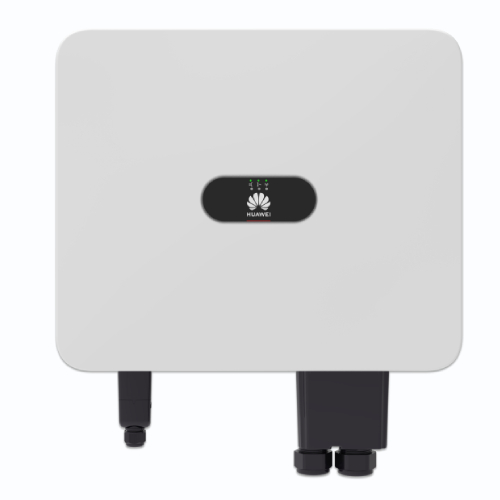
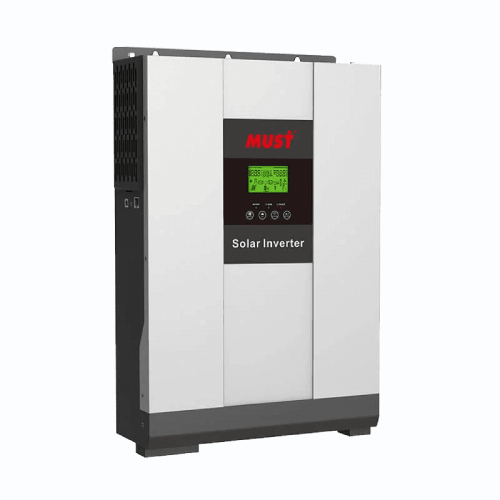
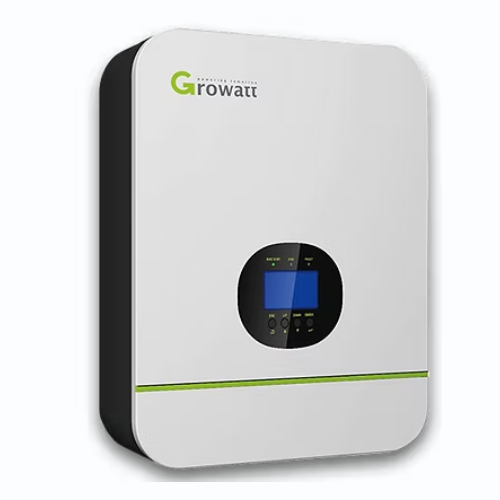
- A quality solar inverter (Growatt, Deye, or Felicity hybrid systems are popular in Kenya)
- The right battery bank (lithium-ion LiFePO4 batteries last 3–5x longer than gel)
- Proper mounting structures suited to your roof type
- Professional installation and commissioning
Get a Free Solar Assessment from Nyandwi Solar
Not sure which panel is right for your home or business? Our solar experts in Nairobi will assess your energy needs, check your roof, and recommend the most cost-effective solution — with no obligation.
📞 Call or WhatsApp: +254 797 716 534 | +254 791 491 385
📧 Email: info@nyandwisolar.com
🌐 nyandwisolar.com — Nairobi, Kenya

Boni
All Author Posts